



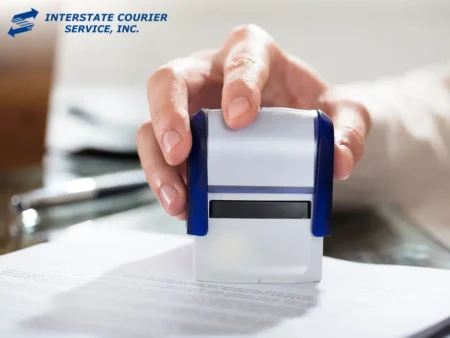
Relocations, real estate closings, estate plans, and business filings often hinge on a single detail: a properly executed notarization. If you are preparing documents in Tampa, an in-office notary service can streamline the process by offering consistent availability, a controlled setting, and careful attention to identity checks and document completeness. By choosing a provider that understands compliance and clear procedures, you can keep timelines on track while maintaining confidence in every signature.
What an in-office notary does
A commissioned notary is an unbiased witness who verifies identity, witnesses signatures, and completes the notarial certificate. Everyday actions include acknowledgments, jurats, oaths, and affirmations, as well as certified copies when state rules allow them. The notary checks the signer’s identity with a valid photo ID, ensures the signer is present and willing, and records the information as required by law.
Why a controlled office setting helps
There are many ways that an office setting helps with accurate signings. First, it gives you stable lighting and a safe place to store documents. Secondly, it provides the notary with a peaceful space to scrutinize the pages without interruption. Third, coordination at the front desk helps with witnesses, photocopies, and any other needs that come up. Together, these elements minimize errors that could impede the filing process or result in the rejection of a document.
Preparing your documents before the visit
Bring a government-issued photo ID. Usually, a driver’s license or passport suffices. Don’t sign any papers until you meet with the notary. The notary’s presence is required for many notarial acts. If you need witnesses, ask the office if they can provide them. Lastly, please ensure that names, dates, and addresses are consistent across all pages to avoid any last-minute changes.
Standard documents that benefit from in-office notarization
Real estate documents, such as deeds and lien releases, often require careful review to ensure compliance with the lender’s and the county’s recording standards. Notarial review also happens for powers of attorney, healthcare directives, parental consent forms, and corporate resolutions. If you want to use documents in more than one state, make sure the notarial certificate is clear, has the proper wording and venue, and doesn’t need to be sent back and forth.
Timing, availability, and same-day options
Many offices accept walk-ins, but making an appointment guarantees you have enough time to sign multiple documents. It’s common for routine acknowledgments and jurats to have same-day appointments. Longer appointment windows are better for complex packages, such as seller documents or loan modifications. Ask about the estimated time based on the number of pages and the requirements for witnesses to set realistic expectations.
Pricing transparency and what to expect
State rules set Florida’s notarization fees. Some offices charge small fees for printing, scanning, witnessing, or working after hours. Exact estimates help you plan ahead. Bring a payment method that complies with office rules, and ask for a receipt showing the notarial act performed, the number of signatures notarized, and any other services provided.
Security, privacy, and recordkeeping
When handling documents, a professional office follows privacy rules. While you finish the process, staff members keep documents in safe places, and the notary keeps a journal or electronic record, as is standard in the state. If you need copies or scans of your files, request digital delivery via an encrypted method or sealed physical copies for your records.
Streamlining next steps with delivery options
Upon notarization, many signers require prompt delivery of the document to a court, title company, or corporate office. Ask about the different ways to package documents and whether there are local delivery or shipping services that can be tracked. Coordinated service can accelerate the process and reduce unnecessary trips, especially when filings must be completed by a certain date.
Frequently asked questions
Do I need an appointment for in-office notary service in Tampa?
You can usually walk in, but scheduling an appointment guarantees enough time for multi-page sets and any witness needs.
Which IDs are accepted?
A current driver’s license or passport is normal. The ID must not have expired, be government-issued, and include a clear picture.
Can the office provide witnesses?
If you ask, many offices can give you unbiased witnesses. Ensure you arrange a witness in advance, as witness rules may vary depending on the type of document.
Will the notary explain my documents?
A notary verifies your identity and watches you sign. If you need legal advice, talk to a lawyer. The notary can check that the certificate is complete and properly signed.
What if my document is from another state?
If the notarial certificate meets the standards of the state where the document will be used, out-of-state forms are usually fine. Bring any instructions that the person receiving the package gave you.
In-office notarization offers a calm setting, structured procedures, and prompt support, enabling Tampa signers to complete filings with confidence. For signers who require both timely delivery and a dependable signing experience, Interstate Courier offers courier solutions and in-office notary services that work together to ensure documents are moved on schedule.
Picture Credit: Depositphotos