


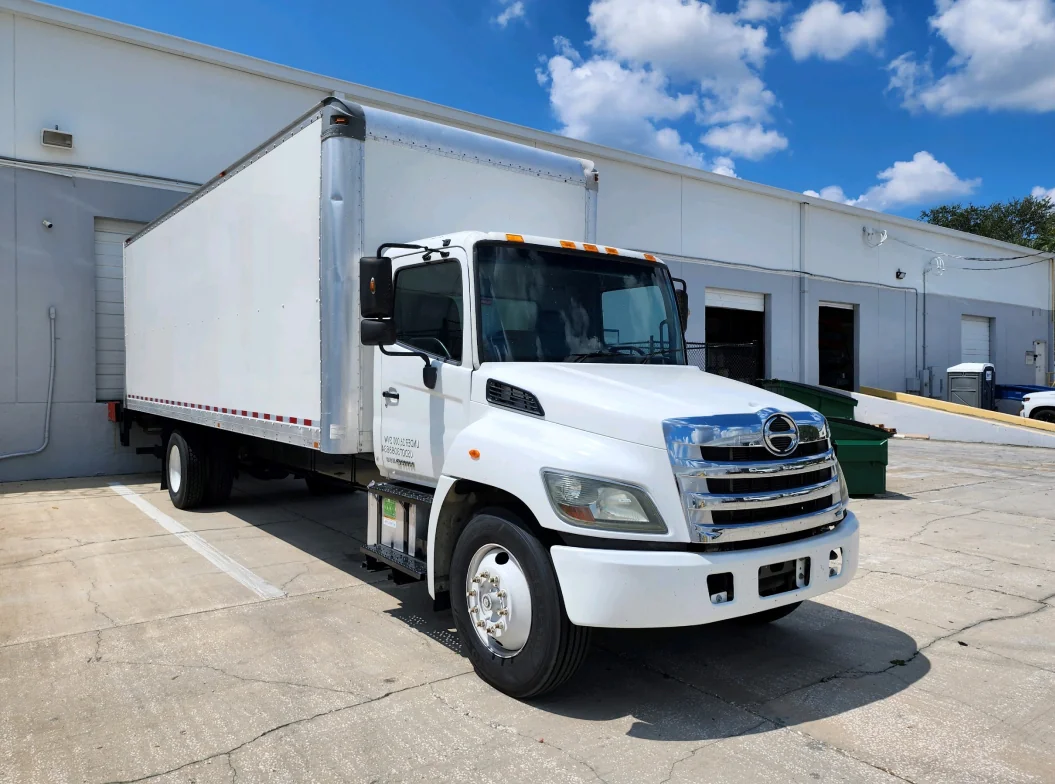

Businesses in Tampa that rely on courier services are entering a period of rapid change. Advancements in technology, customer expectations, and operational efficiency are transforming the management and evaluation of deliveries. Understanding emerging trends allows organizations to plan effectively, control costs, and maintain reliability in a competitive logistics environment.
The Rise of Real-Time Tracking
Real-time tracking used to be a high-end feature, but now it’s expected. Customers and businesses now want to see shipment status, location, and estimated arrival times right away. This level of openness builds trust and reduces service requests.
Advanced tracking systems also help operations run more smoothly inside the company. Dispatchers can adjust drivers’ routes, spot delays early, and optimize delivery routes using real-time data. In 2026, businesses that don’t offer reliable tracking will look old and unresponsive.
Sustainability in Last-Mile Delivery
Sustainability continues to affect logistics plans, especially for last-mile delivery. Fuel-efficient cars, better routes, and less packaging waste are now things that companies have to think about, not just things they can do.
Many companies are switching to electric or hybrid fleets and combining deliveries to reduce emissions in response to environmental concerns. Sustainable practices help the environment and attract customers who care about doing business responsibly.
Growing Expectations for Same-Day Delivery
Same-day delivery is no longer just for big stores. Customers across many fields now expect faster delivery, especially for documents and materials that require quick delivery.
Courier companies are changing by extending their service hours, improving dispatch efficiency, and investing in delivery networks closer to customers. Companies preparing for 2026 should consider whether their current delivery partners can meet these higher standards without sacrificing reliability.
Automation and Smart Logistics Technology
Automation is becoming increasingly important in couriers’ work. Technology is making the delivery process more accurate and efficient in many ways, from automated dispatch systems to predictive analytics.
AI tools help predict demand, allocate resources, and reduce human errors. Digital proof-of-delivery systems and warehouse automation also make work easier. These technologies enable courier companies to grow their businesses while maintaining the same high level of service.
Data-Driven Decision Making
When making logistics decisions, data is increasingly taking precedence over intuition. Metrics such as delivery times, route efficiency, and customer satisfaction provide useful insights.
By 2026, businesses will expect courier partners to have reporting tools that support transparency and ongoing improvement. Working with data helps build long-term partnerships and supports strategic planning.
Enhanced Security and Compliance Measures
People expect more security as shipments become easier to track. Improved authentication, secure chain-of-custody tracking, and compliance monitoring keep sensitive materials and high-value deliveries safe.
To meet the needs of clients and regulators, courier services are investing in digital verification tools and standardized procedures. Good security practices lower risk and show that you are a professional.
Frequently Asked Questions About Courier Service Trends
Why is real-time tracking vital for businesses?
Real-time tracking improves transparency, reduces uncertainty, and allows faster response to delays or issues.
Are sustainable delivery practices becoming mandatory?
Clients and stakeholders increasingly expect sustainability, making it a competitive advantage, even though it’s not always mandatory.
Will same-day delivery become the standard?
Same-day delivery is expanding rapidly, especially for urban and time-sensitive deliveries, and demand will continue to grow.
How does automation improve courier reliability?
Automation reduces manual errors, improves route planning, and supports consistent service execution.
Should small businesses care about logistics trends?
Yes. Even smaller organizations benefit from improved efficiency, cost control, and customer satisfaction.
Preparing for the Future of Courier Services
Businesses that plan ahead will be better positioned to adapt to changing delivery standards. Evaluating current logistics partners, reviewing technology capabilities, and aligning service levels with customer expectations are essential steps.
Future-focused planning also involves flexibility. Courier providers that invest in innovation and responsiveness will remain valuable partners as delivery demands evolve.
The courier industry is entering a period of transformation driven by technology, sustainability, and customer expectations. Businesses in Tampa that understand these trends can make informed decisions and maintain dependable courier services in the year ahead. Organizations seeking a reliable partner that understands evolving logistics demands can trust Interstate Courier to deliver professional service aligned with future-focused planning.
Picture Credit: Depositphotos